Is Food Blogging Dead in 2026? (Honest Assessment)
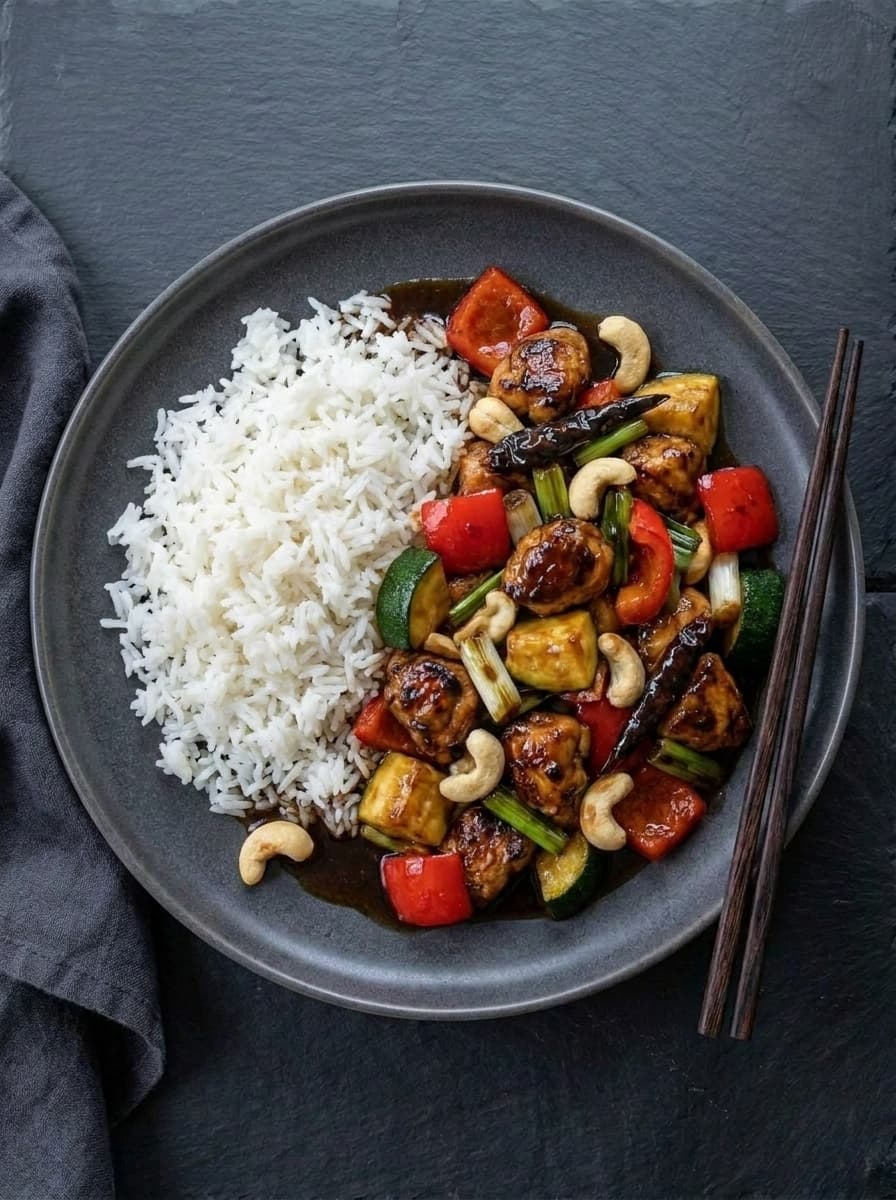
"Is food blogging dead?" gets asked every year. In 2024 it was about Google's Helpful Content Update. In 2025 it was about AI-generated content. In 2026 it's about AI Overviews eating search traffic.
The honest answer: food blogging isn't dead. But the food bloggers who run it like 2019 are.
What's Changed
Google AI Overviews
Google's AI Overviews now answer many informational queries directly in search results. "How long to bake chicken thighs at 400?" gets an AI answer at the top of the page.
Impact on food blogs: Informational queries get fewer clicks. But recipe queries, where the user needs the full recipe, ingredients list, method, and photos, still drive clicks. Nobody cooks from an AI Overview snippet.
The shift: Posts targeting simple questions ("what temperature for chicken?") lose traffic. Posts targeting complete recipes ("garlic herb baked chicken thighs recipe") retain traffic because the user needs the full page.
AI-Generated Content
AI can now write recipe blog posts. Some food bloggers use AI to publish 50+ posts per month. Google's quality filters have gotten better at detecting and demoting low-quality AI content.
Impact: The floor has risen: mediocre human-written content now competes with mediocre AI content. But the ceiling hasn't changed. Well-researched, experience-backed recipe content with real food photography and genuine expertise still outperforms AI slop.
The opportunity: While competitors publish AI-generated garbage and get demoted, food bloggers who invest in quality, real recipe testing, professional images, proper SEO, stand out more than ever.
Pinterest Evolution
Pinterest has added video pins, idea pins, and changed its algorithm multiple times. Some food bloggers saw traffic drops. Others saw growth.
What's working in 2026: Fresh static pins with keyword-optimized titles, consistent daily pinning, and seasonal strategy. The food bloggers who adapted their Pinterest strategy are thriving.
The Numbers: Food Blogging Revenue in 2026
Despite the doom and gloom, the food blogging economy is healthy:
- Mediavine reports stable food blog RPMs in 2026
- Recipe searches on Google remain in the billions per month
- Pinterest remains the #1 referral traffic source for food blogs
- Blog acquisition prices on Flippa remain strong at 30-40x multiples
Food bloggers who adapted are earning more in 2026 than in 2023. The ones who didn't adapt are earning less. That's not "dead": that's a market rewarding quality.
What's Actually Dead
Thin content at scale. Publishing 500-word recipe posts with no schema, no photos, and no expertise? Dead. Google demotes it. Readers bounce.
Pinterest set-and-forget. Pinning once a week with no strategy and expecting traffic? Dead. The algorithm rewards daily consistency.
Generic recipes with no angle. "Chocolate Cake Recipe" competing against Food Network? Dead. "3-Ingredient Chocolate Mug Cake for One" targeting a specific niche? Alive and ranking.
Ignoring E-E-A-T. Publishing recipes you've never actually made, with stock photos and no personal experience? Google's systems increasingly detect and demote this.
What's Working in 2026
Niche authority. Blogs that go deep on one topic, not wide across all food, rank better and earn more. Read our topical authority guide.
Pinterest + Google together. Pinterest drives early traffic. Google drives long-term traffic. Food blogs using both grow faster than those relying on one.
AI as a tool, not a replacement. Smart food bloggers use AI for food photography (saving $500+ per recipe on photo shoots) and AI for research assistance, but write the actual recipes from real cooking experience.
Systems and outsourcing. Food bloggers who outsource content, hire Pinterest managers, and use AI photography can publish more, promote better, and earn more per hour of their own time.
Quality over quantity. One excellent 1,500-word recipe post with professional photos, complete schema, and genuine tips outperforms ten 500-word AI-generated posts.
Should You Start a Food Blog in 2026?
Yes, if:
- You're willing to pick a specific niche and go deep
- You commit to consistent publishing for 12+ months
- You treat it as a business with systems, not a hobby with sporadic effort
- You invest in quality: real SEO, good images, proper recipe schema
No, if:
- You expect to publish 10 posts and make money
- You plan to use AI to generate everything with no personal input
- You're not willing to learn Pinterest and basic SEO
- You want passive income with zero ongoing work
The Bottom Line
Food blogging isn't dead. Lazy food blogging is dead. The bloggers who invest in quality, build systems, and adapt to platform changes are earning more than ever. The barrier to entry is higher, and that's actually good news for anyone willing to clear it.
What to Read Next
- How to Start a Food Blog in 2026: the complete guide for starting right
- How to Make Money Food Blogging, every revenue stream
- How to Choose a Food Blog Niche: the most important decision
- Building Topical Authority: the strategy that wins in 2026
Building a food blog that lasts? Our services handle the systems, Pinterest management, recipe articles, and AI photography, so you can focus on what matters: great food.