How to Choose a Food Blog Niche: A Data-Backed Guide
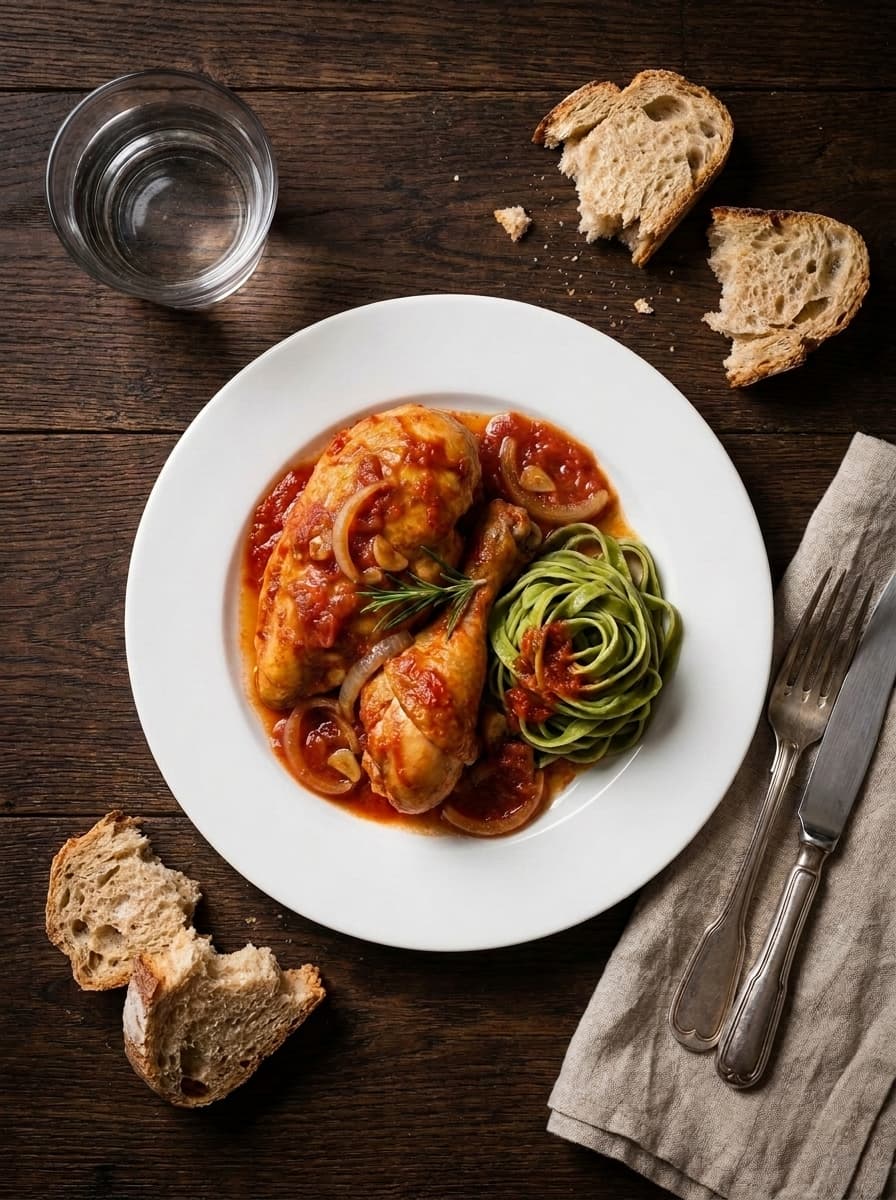
Your food blog niche is the single most consequential decision you'll make. Pick a niche with no demand and you'll write 100 recipes that nobody reads. Pick one that's too competitive and you'll spend two years on page four of Google. Pick right and you have a clear path to Mediavine, affiliate income, and potentially a six-figure exit.
After building 50+ food blogs across 20+ sub-niches, here's the framework we use to evaluate and select food blog niches.
Why Niche Selection Matters More Than Content Quality
Controversial take: a mediocre recipe blog in a great niche outperforms an excellent recipe blog in a bad niche. Every time.
Why? Because niche determines:
- Search demand: how many people are looking for what you write
- Competition level: how hard it is to rank and get noticed
- Ad RPMs: some food niches pay 2x more per pageview than others
- Affiliate potential: some niches have natural product recommendations, others don't
- Exit value: specific niches command higher sale multiples than generic food blogs
The Niche Evaluation Framework
We evaluate every food blog niche on five criteria. A niche needs to score well on at least four to be viable.
1. Pinterest Search Demand
Does anyone search for this type of recipe on Pinterest? Pinterest is the fastest traffic source for new food blogs, so Pinterest demand is non-negotiable.
How to check: Type your niche keywords into Pinterest search. Do you see auto-suggest results? Are there many pins in the results? Do the top pins have thousands of saves?
Green flag: "air fryer chicken recipes" shows dozens of auto-suggestions and millions of results. Red flag: "Tunisian breakfast pastries" shows almost no results and no auto-suggestions.
2. Google Search Volume
Can you rank on Google for recipe keywords in this niche? Google is your long-term traffic source.
How to check: Use a keyword tool (Semrush, Ahrefs, or even free Ubersuggest). Search for 10 recipes in your niche. You want to see keywords with 1,000+ monthly searches and KD under 30.
Green flag: Most recipe keywords in your niche have 1,000-10,000 monthly searches with moderate competition. Red flag: Keywords are either too low volume (nobody searches) or too high competition (every major food blog already ranks).
3. Content Scalability
Can you write 100+ recipes without running out of ideas? 200+? A food blog needs volume to build topical authority and qualify for ad networks.
The test: Sit down and brainstorm recipes. If you can list 50+ in 30 minutes, the niche is scalable. If you struggle to hit 30, it's too narrow.
Green flag: "Healthy dinner recipes": thousands of possible recipes. Red flag: "Sourdough discard recipes": you'll run out after 30-40.
4. Monetization Potential
Will this niche earn good ad RPMs and have natural affiliate opportunities?
High RPM niches: Keto/low-carb, meal prep, baking, desserts, BBQ/grilling. These attract higher-paying advertisers.
Lower RPM niches: Very broad "food" content, ultra-budget cooking, very niche ethnic cuisines with small US audiences.
Affiliate opportunities: Niches that naturally recommend equipment (air fryer, instant pot, BBQ) have built-in affiliate potential. Niches that only use a stove and a pan don't.
5. Competition Assessment
Who are the top 10 blogs in this niche? Can you compete?
How to check: Google your niche's top recipe keywords. Look at the first page results. Are they all massive sites (Allrecipes, Food Network, Delish)? Or are there independent food bloggers ranking?
Green flag: Independent food blogs ranking on page 1 with 50-200 published recipes. You can compete with that. Red flag: Every page 1 result is a media company or a blog with 2,000+ recipes and 10 years of domain authority.
For detailed competition analysis techniques, read our Food Blog Competition Analysis guide.
Niche Ideas Worth Considering
Based on our data from 50+ food blogs, these niches have the best combination of demand, competition, and monetization in 2026:
High potential:
- Air fryer recipes (huge Pinterest demand, growing market, equipment affiliates)
- 30-minute weeknight dinners (evergreen demand, broad enough to scale)
- Meal prep and batch cooking (growing trend, high RPMs, container affiliates)
- Keto/low-carb recipes (dedicated audience, premium RPMs, supplement affiliates)
- Budget meals under $10 (recession-proof demand, huge audience)
Moderate potential:
- Instant pot / slow cooker recipes (strong demand but more competitive)
- Baking and desserts (high RPMs, seasonal spikes, competitive)
- Mediterranean diet recipes (growing health trend, good affiliate potential)
- Plant-based / vegan recipes (dedicated audience, growing but competitive)
Niche-within-a-niche (less competition):
- Air fryer vegetable recipes
- Keto desserts specifically
- Meal prep for one person
- 5-ingredient dinners
- Sheet pan dinners
For a deeper dive with profitability data, read our Most Profitable Food Blog Niches guide.
The "Niche Within a Niche" Strategy
The smartest approach for new food bloggers in 2026: start narrow, expand later.
Phase 1 (months 1-12): Launch with a tight niche. "Air fryer dinner recipes" not "air fryer recipes." Build 50-100 posts and establish authority in that specific area.
Phase 2 (months 12-24): Expand into adjacent topics. Add air fryer appetizers, air fryer desserts, air fryer breakfast. You've already proven authority in air fryer content.
Phase 3 (year 2+): If the data supports it, expand further into general dinner recipes or general air fryer content. Your domain authority now supports broader topics.
This strategy works because Google rewards depth before breadth. 50 posts about air fryer dinners builds more authority than 50 posts scattered across 10 different topics.
Building Topical Authority in Your Niche
Once you've chosen your niche, you need to build topical authority. Google's way of saying "this site really knows this topic."
How to build topical authority:
- Cover every sub-topic within your niche comprehensively
- Internal link related recipes to each other
- Create pillar content (complete guides) and supporting content (specific recipes)
- Update and expand old content regularly
- Answer every "People Also Ask" question in your niche
For the complete authority-building strategy, read our Building Topical Authority for Food Blogs guide.
Validating Before You Build
Don't commit to a niche based on gut feeling. Validate with data first.
The 2-hour validation process:
- List 50 recipe ideas in the niche (if you can't, too narrow)
- Check Pinterest search demand for 10 of those recipes
- Check Google search volume and KD for 10 keywords
- Identify the top 10 competing blogs: are they beatable?
- Check ad RPMs for the niche (Google "food blog income report [niche]")
If the niche passes all five checks, build. If it fails two or more, pick a different niche.
When to Pivot
Sometimes you pick wrong. Signs you need to reconsider your niche:
- 12+ months of consistent publishing with no traffic growth
- Pinterest impressions stuck under 100K/month after 6 months of daily pinning
- Google rankings stuck on page 3+ for all target keywords
- You've run out of recipe ideas under 100 posts
Pivoting doesn't mean starting over. It means expanding or shifting your focus. A "keto desserts" blog that's stalling might pivot to "keto recipes" (broader) or "low-carb baking" (adjacent).
For pivot strategies, read our When to Pivot Your Food Blog Niche guide.
What to Read Next
- Most Profitable Food Blog Niches: niche ideas with revenue data
- Food Blog Competition Analysis: how to evaluate competitors
- Building Topical Authority: the strategy that makes Google trust your niche expertise
- Is Food Blogging Dead in 2026?: honest assessment of the industry
- When to Pivot Your Niche: signs and strategies
- How to Start a Food Blog: once you've picked your niche, start here
Not sure which niche to pick? Our Niche Discovery service gives you a 15-20 page data-backed report with competition analysis, Pinterest volume, revenue projections, and a 30-50 recipe content roadmap: $200/report.