How to Write a Recipe Blog Post That Ranks on Google
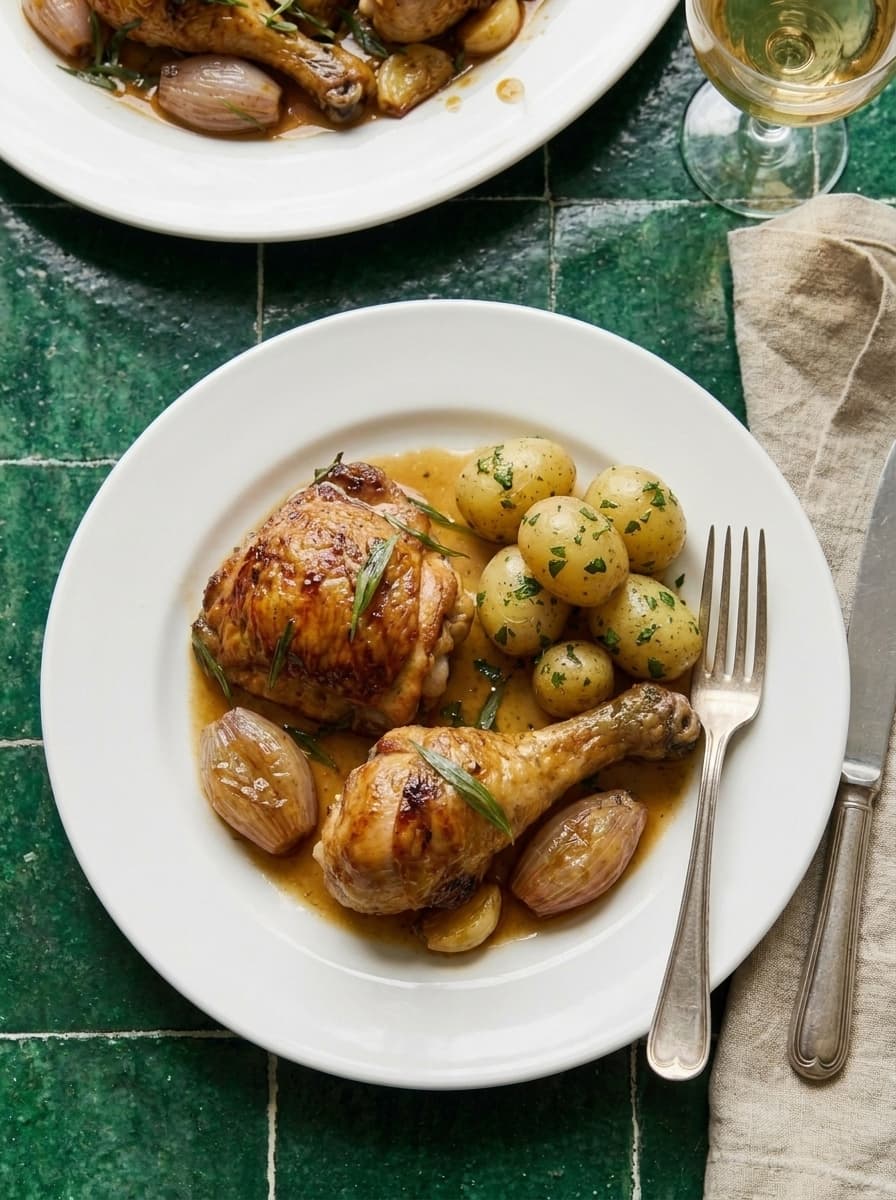
Writing a recipe blog post that ranks on Google isn't about being a great writer. It's about following a structure that Google rewards, readers expect, and ad networks require.
After publishing 1,000+ recipe posts across 50+ food blogs, here's the exact structure that works.
The Recipe Blog Post Structure
Every recipe post should follow this sequence:
1. Hook Intro (First 80 Words)
The first paragraph sells the recipe. Primary keyword in sentence one. Tell the reader exactly why this recipe is worth their time.
Good: "This crispy garlic butter salmon is ready in 20 minutes and uses just 5 ingredients. Pan-seared with a golden crust and a lemony herb sauce: it's the kind of weeknight dinner that feels fancy but isn't."
Bad: "Hi friends! So the other day I was thinking about what to make for dinner and I remembered this salmon recipe my aunt used to make..."
Get to the point. The reader searched for a recipe, not a diary entry.
2. "Why You'll Love This" Block
Three bulleted benefits that keep the reader scrolling. This increases dwell time: a Google ranking signal.
- Ready in 20 minutes (speed)
- Just 5 everyday ingredients (simplicity)
- Crispy crust with creamy lemon sauce (taste appeal)
3. Ingredients With Notes
List every ingredient with a one-line note explaining substitutions, quality tips, or why it matters. This adds word count naturally, answers reader questions before they ask, and targets long-tail keywords like "can I substitute [ingredient]."
4. Step-by-Step Method With Images
Numbered steps, each clear and actionable. Include a food photo for key steps: searing, plating, the finished dish. Process images increase time on page and make the recipe feel achievable.
5. Pro Tips + Storage + Make-Ahead
E-E-A-T expertise signals. Google values content that demonstrates real experience with the subject. Tips like "pat the salmon dry before searing for maximum crust" show you've actually made this recipe.
Storage and make-ahead sections capture long-tail queries: "how long does salmon keep in the fridge," "can I meal prep garlic butter salmon."
6. FAQ Section (3 Questions)
Target "People Also Ask" queries from Google. Research these by Googling your recipe keyword and looking at the PAA box. Structure as H3 questions with concise answers.
For FAQ best practices, read our Recipe FAQ guide.
7. Recipe Card With Schema + Nutrition
Your recipe card plugin (WPRM or Tasty Recipes) generates the recipe schema markup that gets your recipe into Google Rich Results. Include all fields: ingredients, instructions, prep time, cook time, total time, servings, and 11-metric nutrition data.
Word Count: How Long Should a Recipe Post Be?
900 words minimum: this is Mediavine's requirement and a good baseline for SEO. Most of our posts are 1,200-1,800 words.
Don't pad with filler. Every word should serve the reader: the intro sells the recipe, the body teaches it, the FAQ answers related questions. If you hit 900 words naturally with this structure, you're fine.
On-Page SEO Checklist
- Primary keyword in title, H1, first paragraph, and meta description
- Long-tail variations in H2 subheadings
- Descriptive image alt text with keywords
- Internal links to 3-5 related recipes (internal linking strategy)
- FAQ questions targeting People Also Ask
- Recipe schema via your plugin
- Meta description under 155 characters with recipe name and benefit
For the complete SEO checklist, read our Recipe SEO guide.
What to Read Next
- How to Start a Food Blog: the full setup guide
- Recipe SEO Checklist: optimize every post for rankings
- Recipe Schema Markup Guide: get into Google Rich Results
- FAQ Sections for Recipe Posts: capture featured snippets
- Internal Linking Strategy: connect your recipe posts
Need publish-ready recipe articles? Our recipe article service ships SEO-optimized posts with images, FAQ, and nutrition: $30/article.